
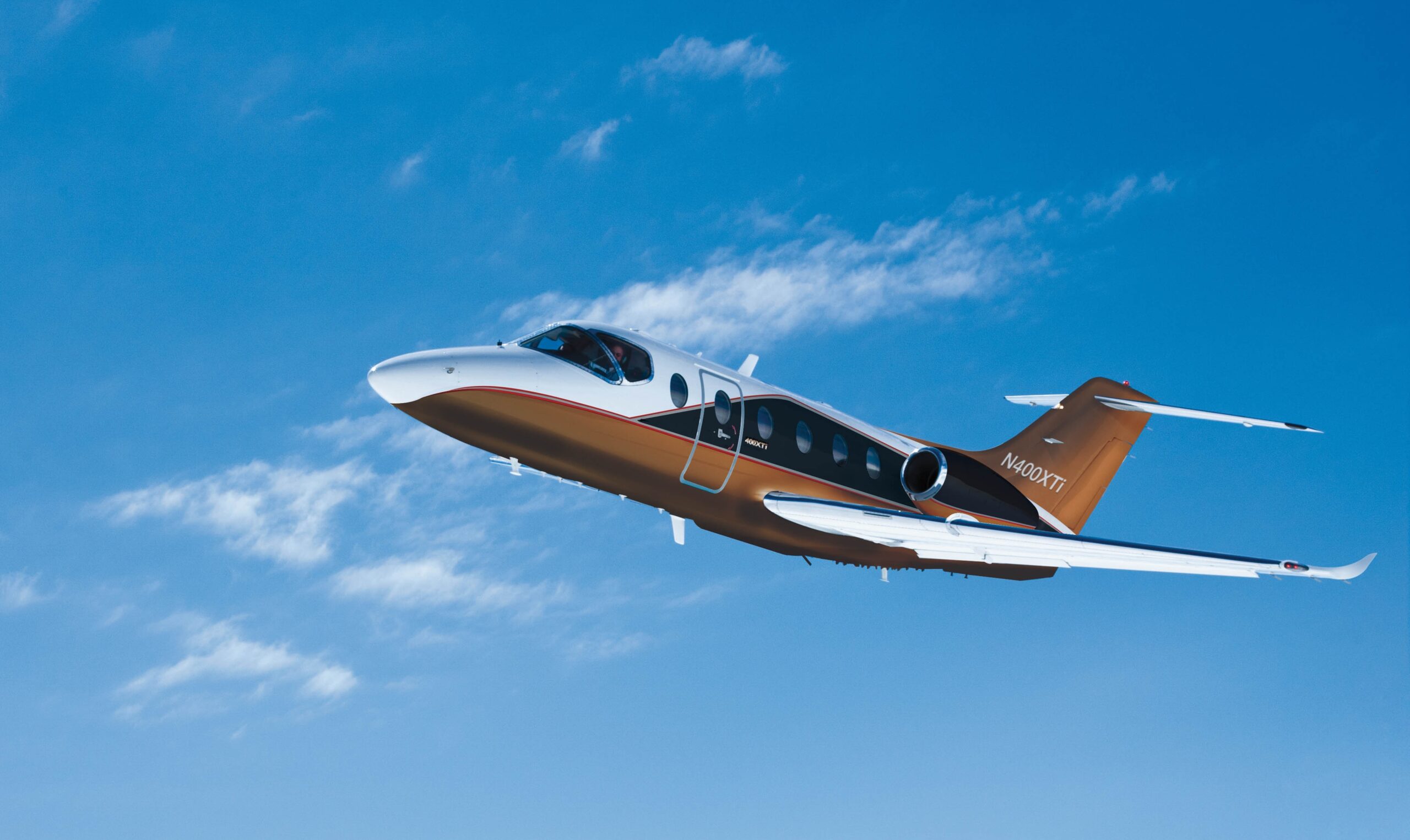
The Story Behind the Nextant
Few aircraft in business aviation can claim a second act as successful as the Nextant 400XT. What began as an ambitious Japanese business jet program evolved through multiple generations and manufacturers before emerging as one of the most successful remanufacturing programs in aviation history. The story of the Nextant 400XT is one of engineering excellence, continuous innovation, and the ability to transform a proven airframe into a modern aircraft capable of competing with much newer designs.
The Mitsubishi MU-300 Diamond Jet:
Where it all began
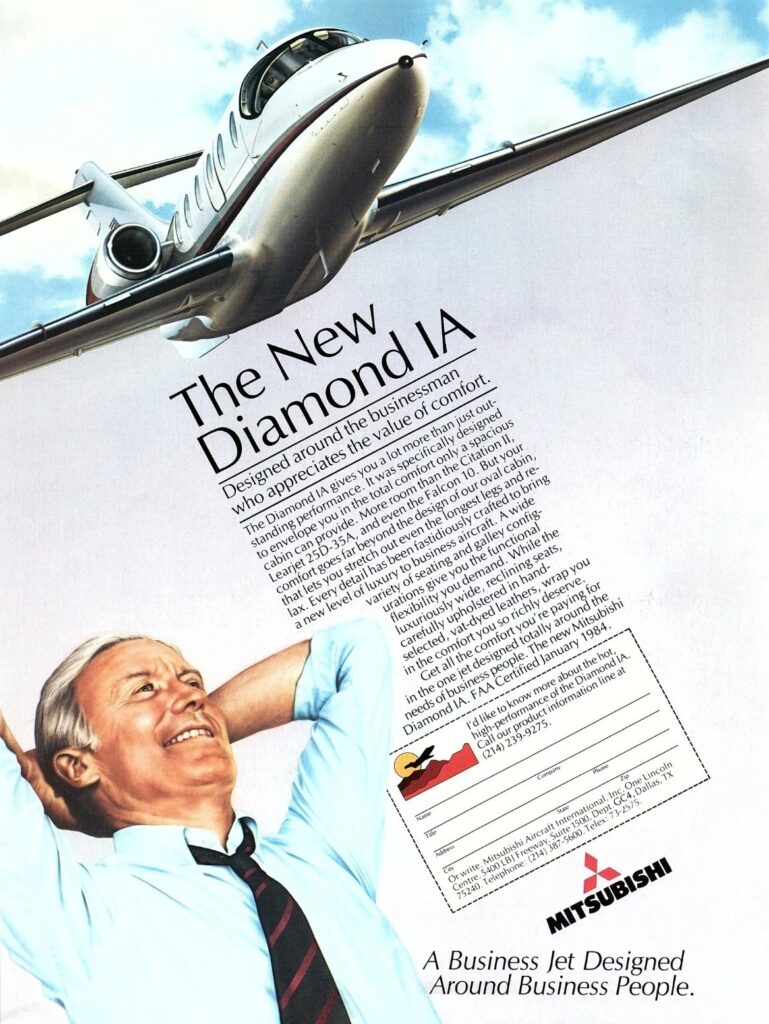
The origins of the Nextant 400XT can be traced back to the Mitsubishi MU-300 Diamond, an aircraft developed by Mitsubishi Heavy Industries during the 1970s. At a time when Japan had limited experience in producing business jets for international markets, the MU-300 represented an ambitious effort to compete with established Western manufacturers.
The aircraft featured a swept-wing design, T-tail configuration, and efficient turbofan engines that delivered impressive performance for its class. When the prototype first flew in 1978, it demonstrated capabilities that immediately attracted attention within the business aviation community. Cruise speeds approached 450 knots, while the aircraft could climb to a service ceiling of approximately 45,000 feet.
What truly set the MU-300 apart, however, was its certification basis. Unlike many light business jets of the era, which were certified under the FAA’s Part 23 regulations, Mitsubishi chose to certify the aircraft under the more demanding Part 25 transport-category standards. This decision required significantly stronger structural design criteria, particularly in the wing and fuselage structure.
The MU-300 utilized a conventional swept low wing incorporating a robust two-spar box-beam structure. These spars carried the majority of the bending loads generated during flight, requiring greater structural margins and fail-safe design features than typically found in light business jets. As a result, the wing spar system and center wing box were engineered with exceptional durability and strength.
While these design choices increased structural weight, they also created an exceptionally robust airframe that would later prove ideal for modernization and remanufacturing programs decades after the aircraft’s initial introduction.
Despite the aircraft’s technical strengths, Mitsubishi struggled with the challenges of marketing, supporting, and servicing a global business jet fleet. In the mid-1980s, the company decided to exit the business jet market and sold the program to Beech Aircraft Corporation.
The Beechjet 400: Refining a Strong Foundation
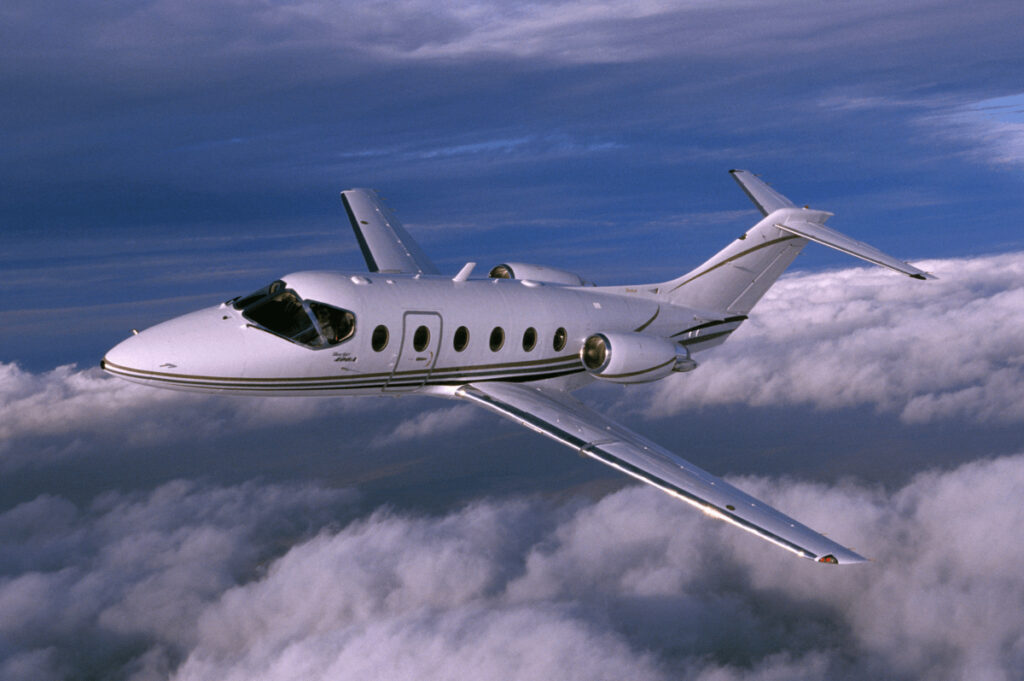
Following the acquisition of the MU-300 program in December 1985, Beech Aircraft Company began production of the aircraft in Wichita, Kansas. Initially, Beech utilized unfinished airframes and components supplied by Mitsubishi, enabling production to commence quickly while domestic manufacturing capabilities were established.
The first Beech-built aircraft rolled out in May 1986. Alongside production changes, Beech upgraded several systems, including replacing the original Pratt & Whitney Canada JT15D-4 engines with newer JT15D-5 variants that offered improved performance.
The aircraft continued to evolve throughout the 1990s. The introduction of the Beechjet 400A brought increased maximum takeoff weight, greater fuel capacity, improved climb and range performance, and cabin enhancements that provided more usable passenger space.
Production expanded significantly under Beechcraft and later Raytheon ownership. The aircraft’s reputation for reliability and performance led to widespread adoption in both civilian and military roles. One notable derivative was the T-1 Jayhawk, a military trainer used by the United States Air Force.
Further development resulted in the Hawker 400 and eventually the Hawker 400XP, which entered service in the early 2000s featuring avionics improvements and additional performance refinements.
By the end of production in 2009, more than 800 aircraft had been built. The Beechjet 400 family had become one of the most successful light business jet platforms ever developed from an international design collaboration.
Key characteristics of the Beechjet family included:
- Twin Pratt & Whitney JT15D turbofan engines
- Cruise speeds approaching 450 knots
- Seating for 6–8 passengers
- Service ceiling of 45,000 feet
- Spacious cabin dimensions for the light-jet category
The Birth of the Nextant 400XT
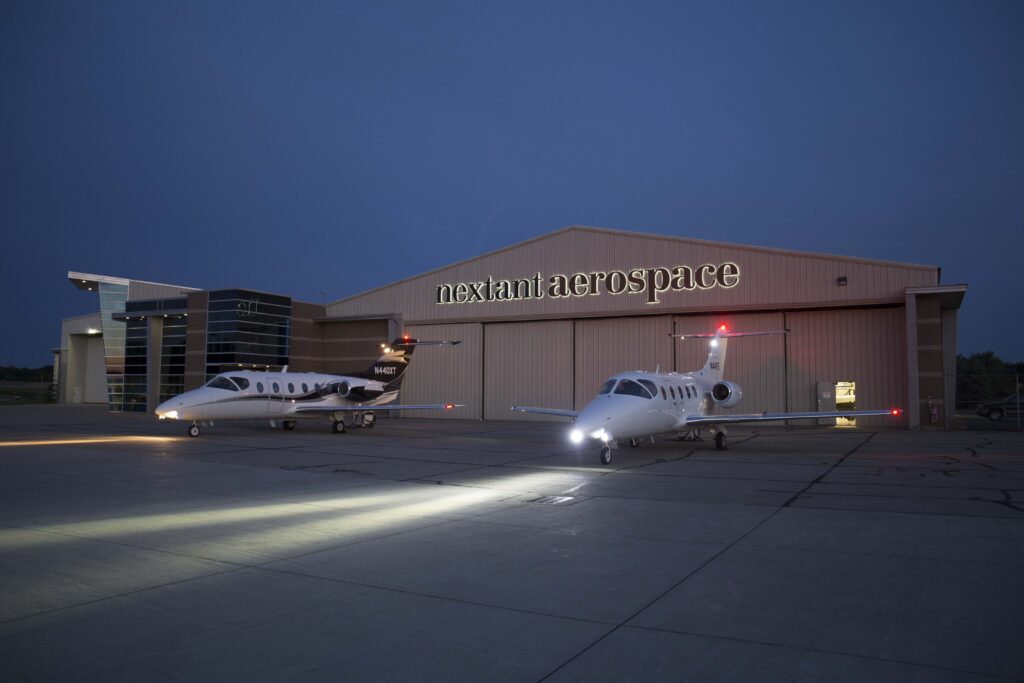
Entrepreneur Kenn Ricci founded Nextant Aerospace in 2007 as the first company to bring aircraft remanufacturing to the business jet market. Starting with the Beechjet-derived 400XT, Nextant developed multiple remanufactured aircraft types and a portfolio of supplemental type certificates (STCs) across various platforms, including Starlink connectivity integrations for a variety of business jets. Ricci earned the Aviation Week Laureate Award for innovation in aircraft remanufacturing through Nextant.
Nextant chose to remanufacture existing Beechjet 400A and Hawker 400XP airframes as an alternative to building an entirely new aircraft, replacing and upgrading many of the aircraft’s most important systems to improve efficiency and expand capability. Although production of the Beechjet family ended in 2009, the airframe’s inherent strength and excellent design characteristics made it an ideal candidate for modernization.
The result was much more than a standard refurbishment. The 400XT effectively transformed an older aircraft into a modern business jet while retaining the proven structural platform that had made the original design successful.
The most significant improvement involved replacing the original Pratt & Whitney JT15D engines with modern Williams FJ44-3AP turbofan engines.
This upgrade delivered numerous advantages:
- Higher thrust output
- Improved fuel efficiency
- Lower operating costs
- Enhanced reliability
- Extended overhaul intervals
- Reduced maintenance requirements
The modernization went beyond simply installing new engines. Nextant redesigned the engine nacelles, pylons, and mounting structures using more aerodynamically efficient components. These modifications reduced drag and addressed several maintenance concerns associated with the original design.
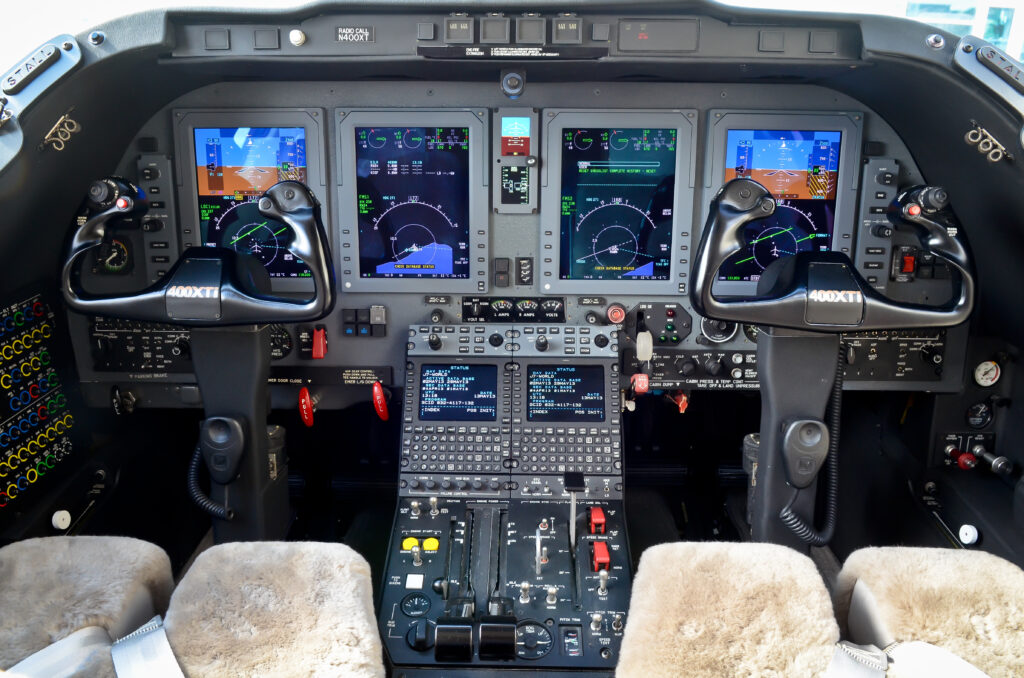
Inside the cockpit, the transformation was equally dramatic. Legacy analog instrumentation and early-generation EFIS systems were replaced with the Rockwell Collins Pro Line 21 integrated flight deck. The new avionics suite introduced:
- Large-format LCD displays
- Enhanced navigation capabilities
- ADS-B compliance
- Terrain awareness systems
- Modern flight management functionality
- Improved situational awareness
The remanufacturing process also included extensive replacement of wiring, refurbishment of major systems, renewal of life-limited components, and modernization of electrical and mechanical systems throughout the aircraft.
Notably, all life-limited components were reset to “zero time,” effectively returning the aircraft to a near-new operational lifecycle despite utilizing an existing airframe.
The original Beechjet already possessed one of the largest cabins in the light-jet segment. Nextant further improved that advantage through a complete interior redesign.
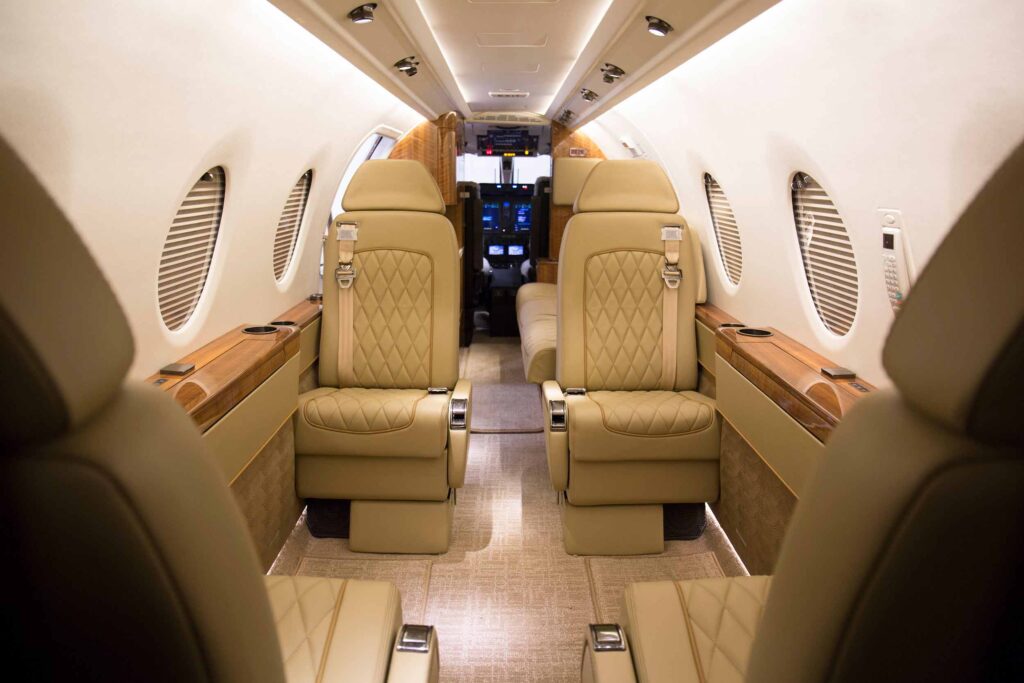
Cabin enhancements included:
- Composite-shell interior architecture
- Increased shoulder and headroom
- Improved soundproofing and insulation
- LED cabin lighting
- Modern cabin management systems
- Optional Wi-Fi connectivity
- Contemporary entertainment systems
These improvements created a cabin environment comparable to many newly manufactured business jets. The modernization program produced substantial gains across nearly every major performance category.
The original Beechjet 400A typically offered a range of approximately 1,400 to 1,500 nautical miles. The Nextant 400XT increased that figure to roughly 1,900 to 2,000 nautical miles, representing as much as a 50 percent improvement.
The Williams FJ44 engines reduced fuel consumption by approximately 25 to 32 percent compared to the original JT15D engines.
Higher thrust and improved aerodynamics resulted in significantly faster climb performance, allowing operators to reach cruising altitude more quickly and efficiently.
Direct operating costs were reduced by approximately 25 to 30 percent. Lower fuel burn, longer engine maintenance intervals, and improved reliability contributed significantly to these savings.
Cruise speeds increased slightly from approximately 446 knots to nearly 460 knots while maintaining the aircraft’s 45,000-foot service ceiling.
Market Impact
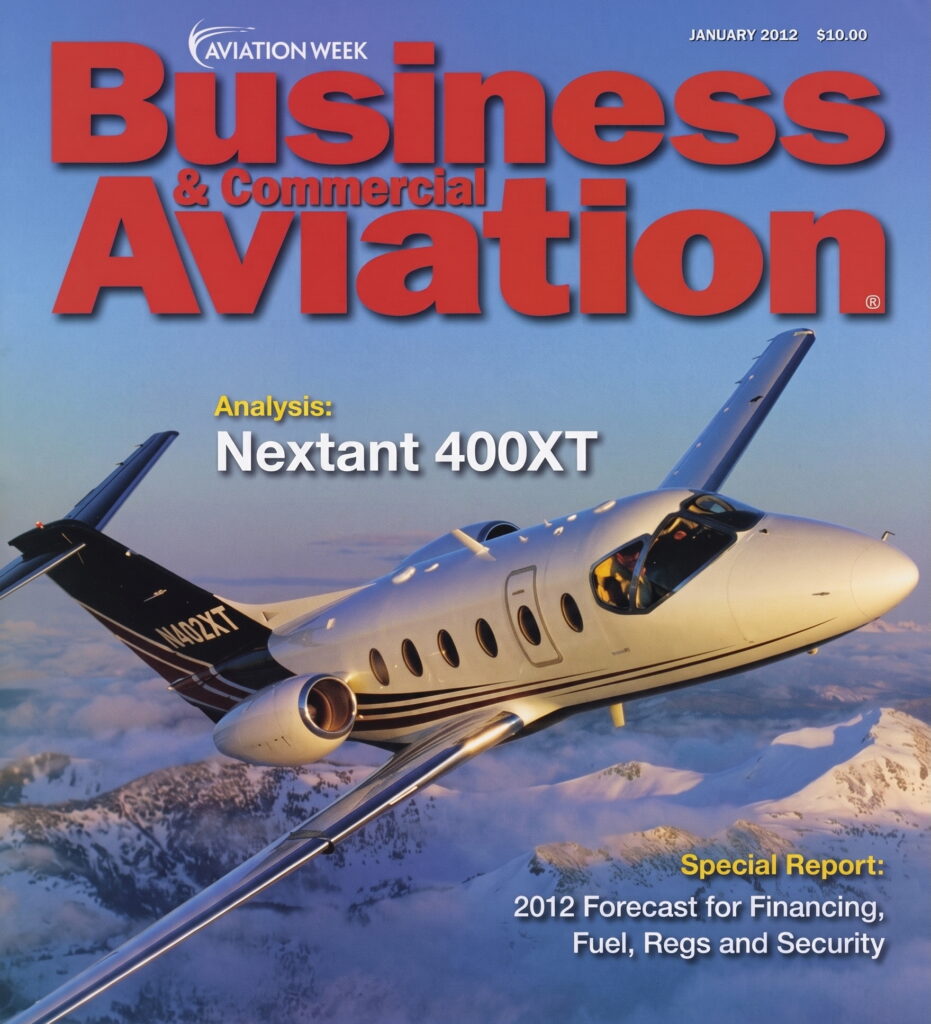
The success of the 400XT demonstrated that remanufacturing could be a viable alternative to purchasing a new aircraft. Operators were able to obtain near-modern performance and technology at a significantly lower acquisition cost than a newly produced business jet.
The concept proved so successful that by the mid-2010s, more than 20 percent of the global Beechjet 400A and Hawker 400XP fleet had been contracted for conversion.
Moreover, the success of the program influenced the broader aviation industry, encouraging similar modernization initiatives for other mature aircraft platforms.
Conclusion
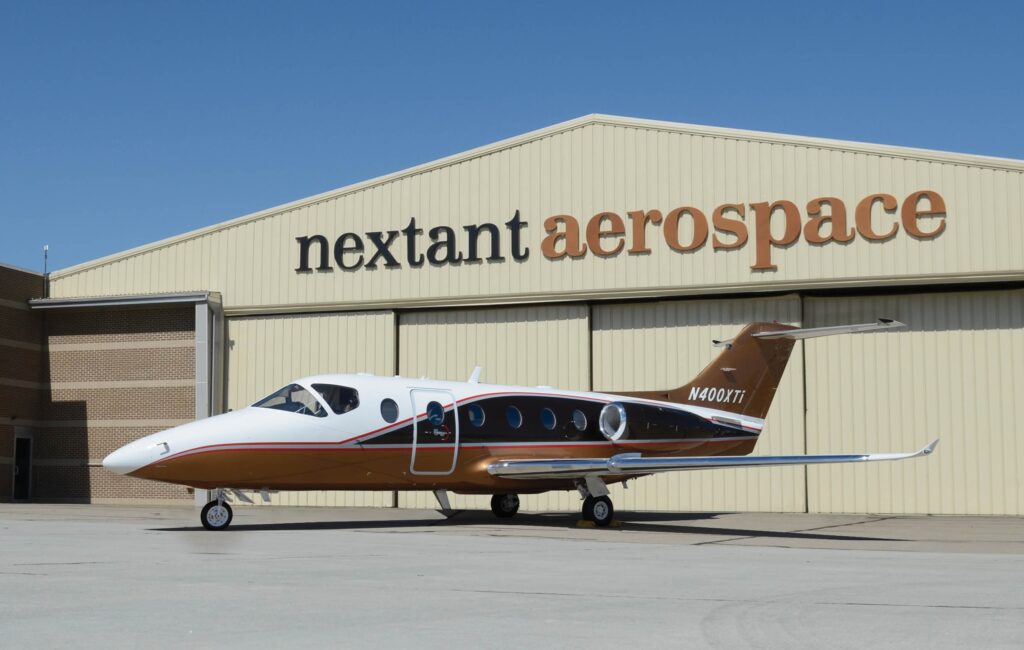
The Nextant 400XT stands as one of aviation’s most successful aircraft modernization programs. While it retains the robust airframe that originated with the Mitsubishi MU-300 Diamond and evolved through the Beechjet and Hawker families, it introduces technology and performance capabilities that place it firmly in the modern business aviation era.
Its key advantages include:
- Modern Williams FJ44 engines with significantly improved efficiency
- Advanced Rockwell Collins Pro Line 21 glass cockpit avionics
- Up to 50 percent greater range
- Faster climb performance
- Reduced fuel consumption
- Lower operating costs
- Enhanced cabin comfort and passenger experience
What began as an innovative Japanese business jet in the late 1970s ultimately evolved into a highly capable 21st-century aircraft. Kenn Ricci’s vision and Nextant Aerospace’s engineering expertise transformed the aircraft into a unique alternative that delivers modern performance and efficiency at a fraction of the cost of a new build. The Nextant 400XT proves that a well-designed airframe, combined with modern technology, can successfully bridge generations and create a business jet that remains highly competitive decades after its original design was conceived.